
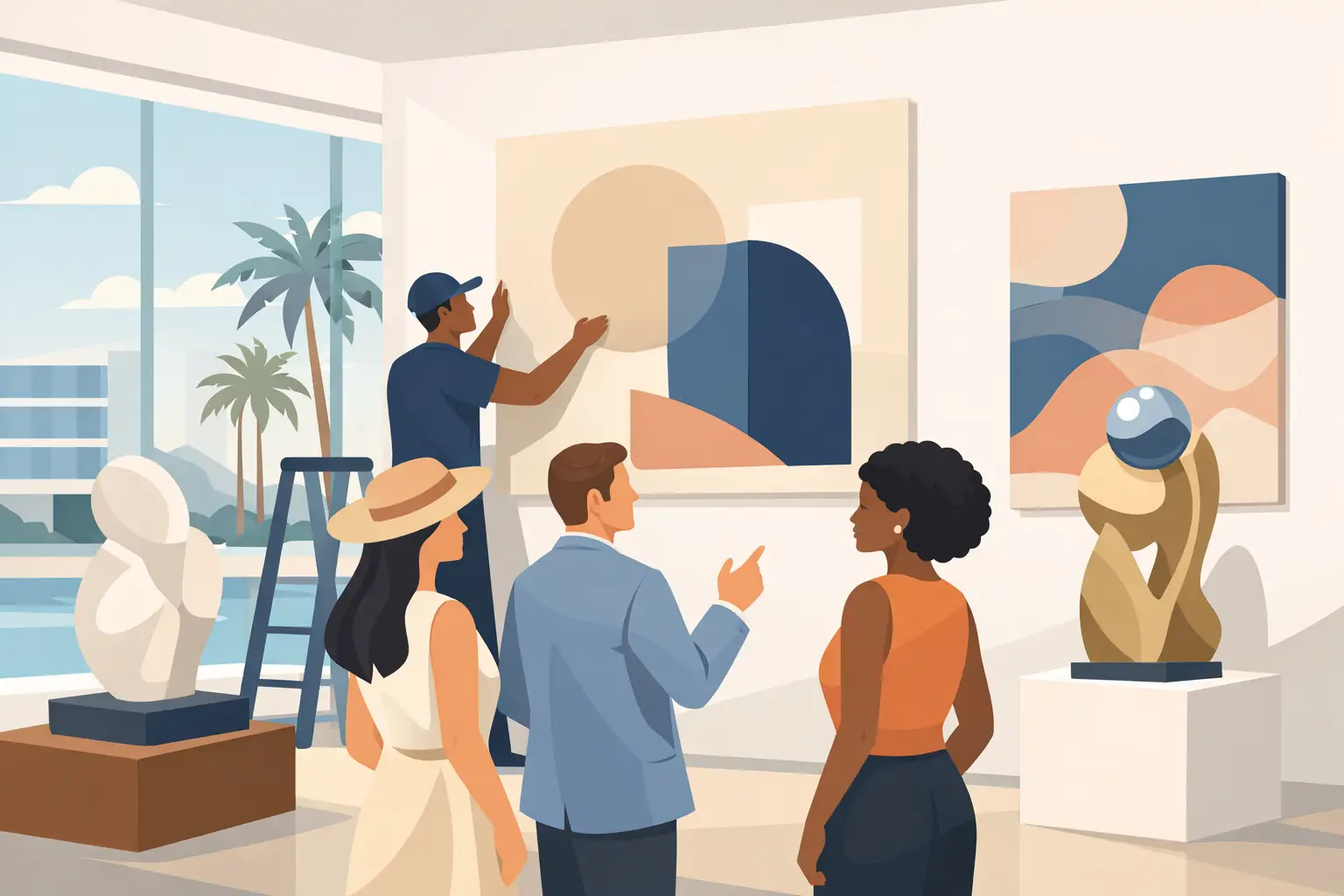
A significant artwork can change the experience of a room, but residential art installation Miami projects require more than choosing a beautiful location. A framed work may be heavy, glazed, irregularly shaped, or exceptionally fragile. A sculpture may need concealed anchoring, precise leveling, and enough clearance to be viewed safely in a lived-in space. The final presentation depends on decisions made well before the artwork reaches the wall.
For private collectors, the goal is not simply to hang art. It is to protect the work, respect the home, and create an installation that feels intentional from every angle. That calls for professional planning, appropriate handling methods, and an installation team that understands the difference between a decorative object and a fine art asset.
Residential Art Installation in Miami Begins Before Installation
The installation itself is only one stage of the project. Before a work is moved, a qualified art handling team should understand its dimensions, weight, medium, condition, framing, hanging system, and any vulnerabilities. This assessment informs how the work is packed, carried, staged, and secured.
The residence matters just as much. A photograph destined for drywall in a climate-controlled study presents a different set of considerations than a large painting being placed above a stone fireplace, a mixed-media piece installed on millwork, or a sculpture positioned in an open stair hall. Wall composition, access points, ceiling height, flooring, nearby furnishings, and available working space all affect the plan.
A thoughtful site review prevents common problems that are expensive or difficult to correct later. It can identify narrow turns between the elevator and the residence, determine whether a large work must be brought in vertically, confirm the structural support behind a wall, and establish a protected staging area away from household traffic. For works with delicate glazing or sensitive surfaces, these details are not administrative. They are central to safe handling.
Placement Should Serve the Artwork and the Room
Clients often begin with a general vision: a large canvas over a console, a salon-style grouping in a corridor, or a focal point at the end of a long sightline. That vision is valuable, but proportion and viewing conditions should guide the final placement.
Height is a frequent consideration. A work hung too high can feel detached from the room; too low, it may compete with furniture or become vulnerable to daily activity. There is no single measurement that works in every home. The right centerline depends on the scale of the artwork, the ceiling height, the intended viewing distance, and the visual relationship to surrounding elements.
Lighting also deserves careful attention. Direct sun can be harmful to many works on paper, photographs, textiles, and certain pigments. Strong glare can flatten a glossy surface or make a work difficult to enjoy from its primary viewing position. Natural light, window treatments, existing fixtures, and planned art lighting should be reviewed together rather than treated as separate design decisions.
For groupings, spacing is as important as individual placement. A collection can look composed and calm when the intervals, alignments, and visual weight are considered as a whole. Professional installers use measured layouts and precise leveling rather than relying on visual approximation alone, particularly when installing multi-panel works, editions, or a collection that may expand over time.
The Wall Is Part of the Installation Plan
A wall is not automatically ready to support fine art. Drywall, concrete, masonry, wood framing, decorative paneling, and plaster each require different hardware and methods. The visible finish may not reveal what sits behind it, which is why an experienced installer evaluates the mounting surface before drilling.
The appropriate attachment method depends on the artwork’s weight, the strength and condition of the wall, the hanging hardware already present on the piece, and the level of security required. Heavy works should never be treated as standard household décor. A mounting strategy must distribute weight correctly and maintain the artwork’s intended orientation without placing stress on a frame or stretcher.
Some installations call for more than conventional hooks. Oversized canvases, mirrors, sculptures, and works installed in high-traffic areas may require specialized hardware, custom supports, or security measures. The trade-off is that a more engineered installation may take additional planning and leave a more permanent footprint. For valuable work, that is often preferable to an approach chosen only for speed.
Miami Homes Add Their Own Considerations
Miami residences often feature expansive glazing, open-plan interiors, polished stone, custom wall finishes, and high ceilings. These elements create exceptional settings for art, but they can also add logistical complexity. Large windows may introduce strong daylight. Delicate flooring and millwork require careful protection. Condominiums may have delivery rules, elevator reservations, loading-dock procedures, and defined work hours.
Climate control is another practical consideration. Fine art is best kept in a stable environment, particularly works on paper, canvas, wood, and mixed media. While installation teams do not replace the guidance of a conservator, they can help clients recognize when a planned location near direct sunlight, a moisture source, or a frequently opened exterior door may merit a second look.
In coastal environments, exterior-adjacent spaces can also require extra thought. The question is not whether a room is beautiful enough for art. It is whether the work’s materials, framing, and placement are appropriate for the conditions it will encounter over time.
What Professional Installation Day Looks Like
A white glove installation should feel orderly and controlled. The team arrives with a defined scope, confirms the placement plan, protects relevant surfaces, and handles each piece according to its material and condition. Artwork is unwrapped and inspected with care before it is moved into position.
Measurements are confirmed on site because residences can differ from plans, and a small adjustment can make a meaningful visual difference. Installers establish level lines, mark discreetly, use hardware suited to the wall and artwork, and verify that each piece is secure once installed. The process is deliberate, especially when working near finished furnishings, designer wallcoverings, or other artwork already in place.
Discretion is equally important in a private home. A professional team respects the residence, coordinates efficiently with building personnel and design professionals when needed, and keeps the work area clean. For collectors, that professionalism protects more than the physical artwork. It protects privacy, schedules, and peace of mind.
When Transport, Packing, and Installation Need One Plan
The risk to art often increases at the handoff points: when a work is packed, loaded, unloaded, carried through a residence, and prepared for display. Coordinating these stages under one handling plan reduces unnecessary movement and helps ensure that those installing the artwork understand its condition, packing requirements, and intended placement.
This is particularly valuable after a purchase, a gallery delivery, a residential move, a renovation, or the completion of an interior design project. Rather than treating transport and installation as unrelated tasks, ARTSOLVE approaches them as connected parts of a single fine art logistics process. The handling plan can account for custom packing, secure transportation, access requirements, and precise final placement from the outset.
That does not mean every project needs the same level of preparation. A small, well-framed work in an accessible room may be straightforward. A monumental painting, fragile antique frame, or multi-piece installation in a high-rise residence warrants a more detailed approach. The right level of service follows the artwork and the site, not a standardized checklist.
Questions Worth Asking Before You Schedule
Before confirming an installation, collectors benefit from clarifying a few practical points: Has the artwork been measured and assessed? Is the intended wall suitable for its weight and hardware? Are there building access restrictions or elevator reservations to arrange? Will lighting, furniture placement, or renovation work affect the final location? If multiple works are involved, has the overall layout been established before installation day?
These questions create a clearer scope and help prevent rushed decisions in the residence. They also allow the installation team to arrive prepared with the right equipment, protection, and handling plan.
A well-installed artwork should appear effortless, even when the planning behind it is highly technical. When every detail has been considered, the collector is left with what matters most: the confidence to live with the work, see it at its best, and know it has been placed with the care it deserves.
Need Help Installing Your Artwork?
From private residences to commercial and hospitality spaces, ART SOLVE provides professional art installation throughout Miami and South Florida, with the precision, care and experience valuable artwork demands.


